Hackestiu 2026: talent, innovation and artificial intelligence to transform ideas into real solutions
The 2026 edition of Hackestiu has reached its final point with a day of project presentations and awards ceremonies that highlighted the talent, creativity and innovative capacity of the participants.
Throughout the experience, the teams have worked on the development of prototypes based on artificial intelligence , with the aim of responding to real challenges and creating technological solutions that are more accessible, useful and closer to people.
The edition has had the support of Qualcomm , which has facilitated experimentation with the Arduino Uno Q platform, allowing participants to explore the possibilities of artificial intelligence and Edge AI technology in the development of their projects.
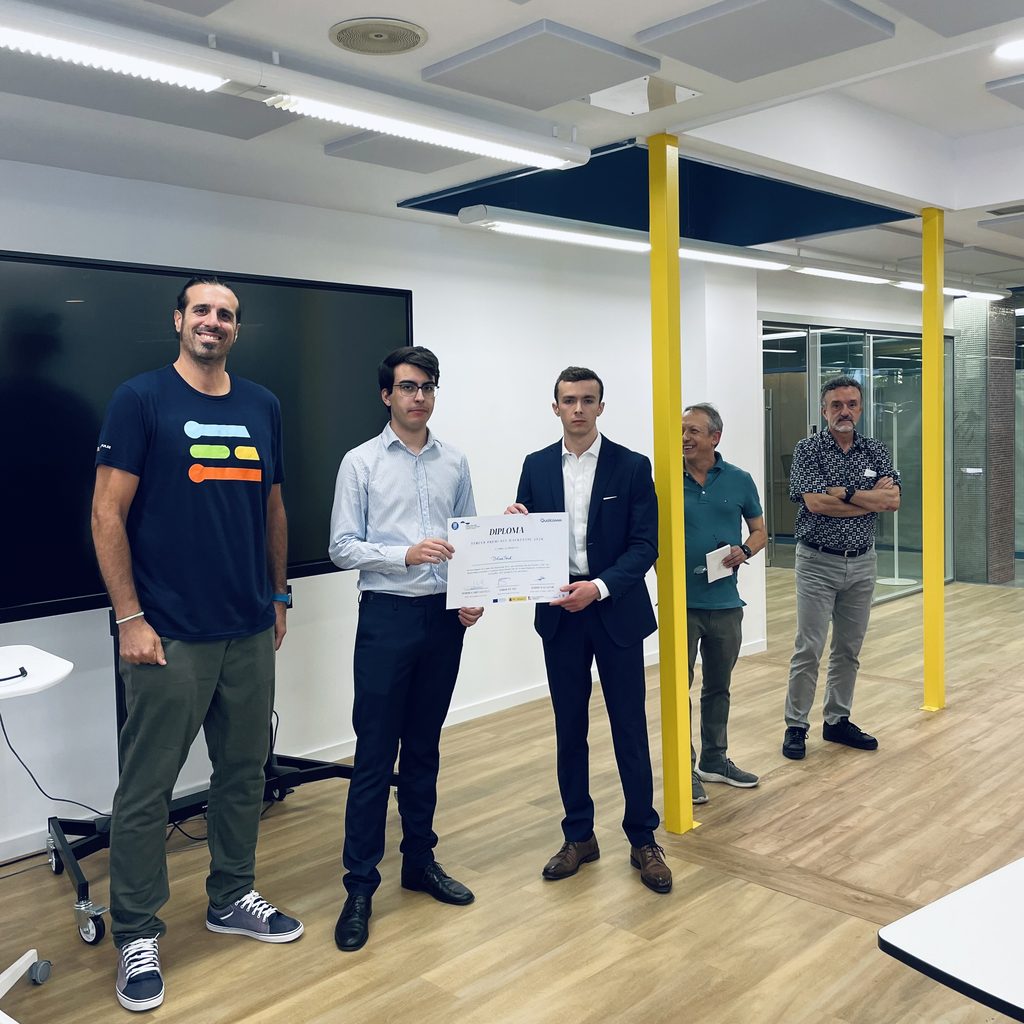
First prize: Pantry Assistant
The first prize went to Pantry Assistant , developed by Lluis Vidal Pujol and Umar M.
The project consists of an assistive device capable of visually recognizing products in the pantry and informing the user about them by voice . The proposal seeks to facilitate the identification of foods and promote the autonomy of people with reduced visual capabilities.
Second prize: Living Culture
The second prize went to the Cultura Viva project, developed by Mar Dijort Toledo, Laia Mogas Pladevall, Josep Rodríguez Vitolo and Lucia Giménez de la Rubia .
The proposal uses an image recognition system to identify monuments and other elements of cultural heritage through the camera. Based on this identification, the system offers interactive information that allows visitors to discover and better understand the cultural environment that surrounds them.
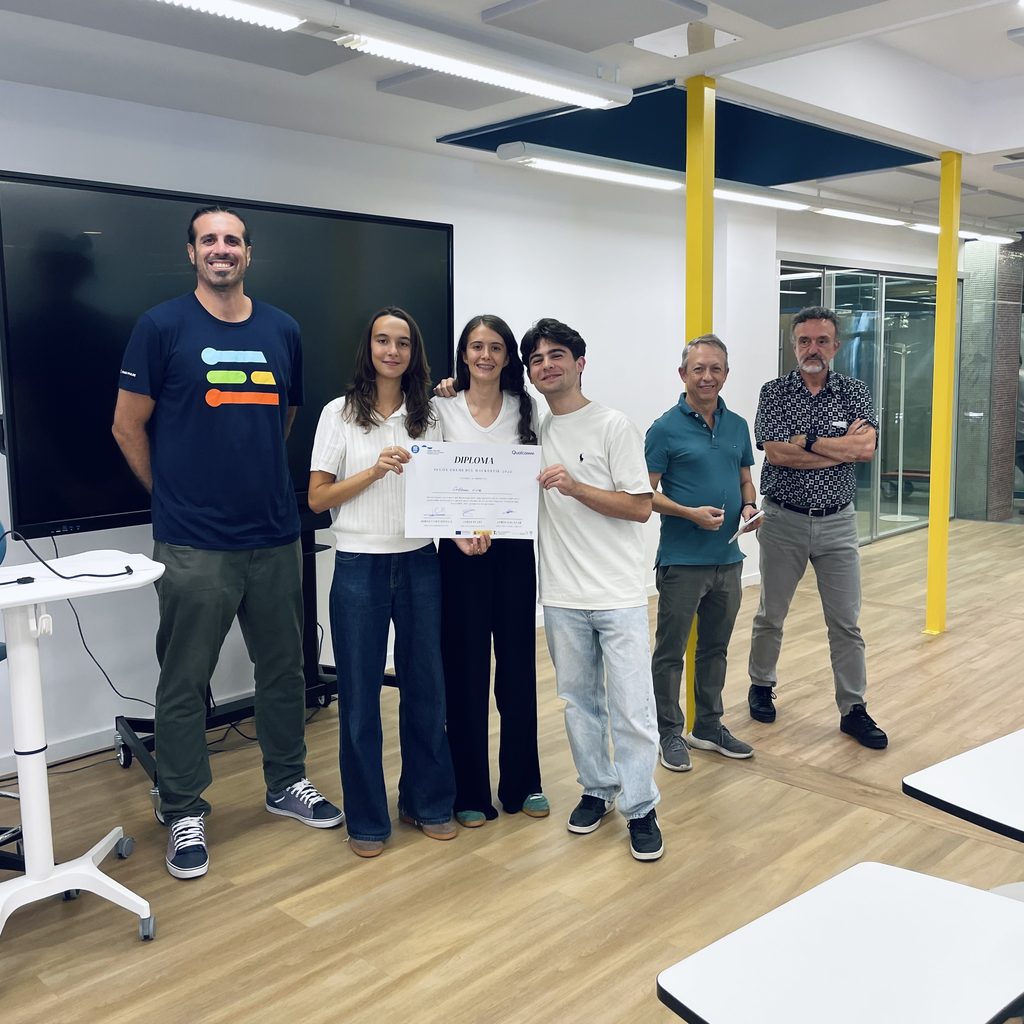
Third prize: BlinkTech
The third prize was awarded to BlinkTech , a project developed by Joan Tomás Pujol Muñoz and Alan López Perna .
The technology transforms small movements of the head and face into voice , with the aim of facilitating communication for people with reduced mobility or speech. A proposal that puts technology at the service of accessibility and communication.
Finalist: Urban Agriculture – Development of a Smart Edge-AI Garden
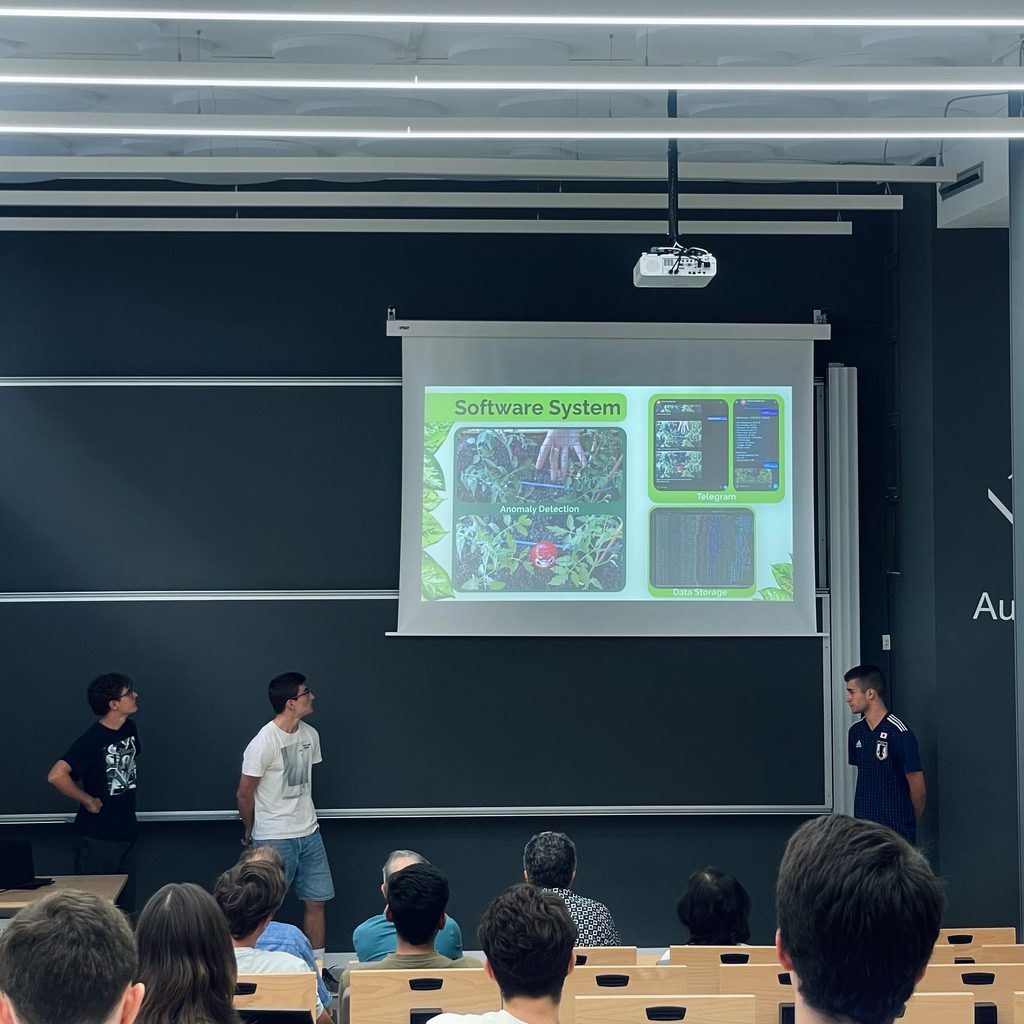
Among the finalist projects was also Urban Agriculture – Development of a Smart Edge-AI Garden , developed by Hugo Andreu Sobrino, Pol Ruiz Prieto and Roger Botana Miralles .
The team has created a smart urban garden that uses computer vision to detect possible anomalies or diseases in crops and send automatic alerts to the user.
Finalist: Behaviour
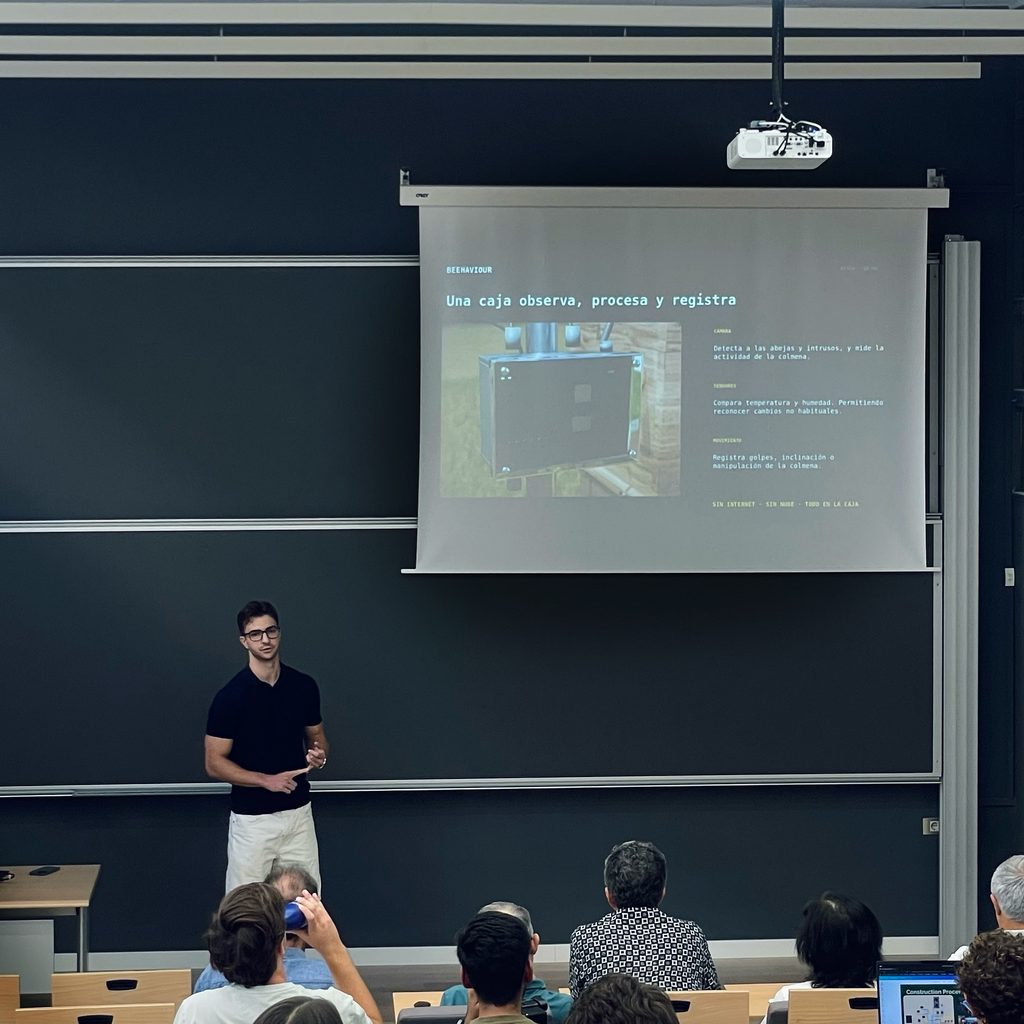
Beehaviour , developed by Jordi Calsina Baldomà, Guido Biosca Lasa, Victor Abello and Lluc Santamaria Riba , is a proposal aimed at monitoring beehives.
The system analyzes in real time different aspects related to the activity, health and safety of bees , without the need for an Internet connection.
Other projects presented
Beyond the five finalist projects, other participants also had the opportunity to present their ideas and prototypes developed during Hacksummer:
- Sentinel , by Shiqi Liang and Pau Quevedo : an intelligent solution aimed at detecting falls in the elderly.
- TinyParrot , by Pol Creixans Comerma : a tool designed to detect and teach vocabulary interactively.
- AI Night Guardian , by Jan Diaz and Joan Montobbio : a system to detect falls and other incidents during night shifts in nursing homes.
Technology with social impact
Hackestiu 2026 has been, above all, a space to experiment, learn and convert ideas into prototypes with direct application to real problems .
The projects presented show how artificial intelligence, computer vision and Edge technology can contribute in areas as diverse as accessibility, communication, cultural heritage, agriculture or the care of people and animals.
Congratulations to all the participants for their involvement, creativity and commitment to the development of technological solutions with social impact.
A great display of talent, social awareness and innovation